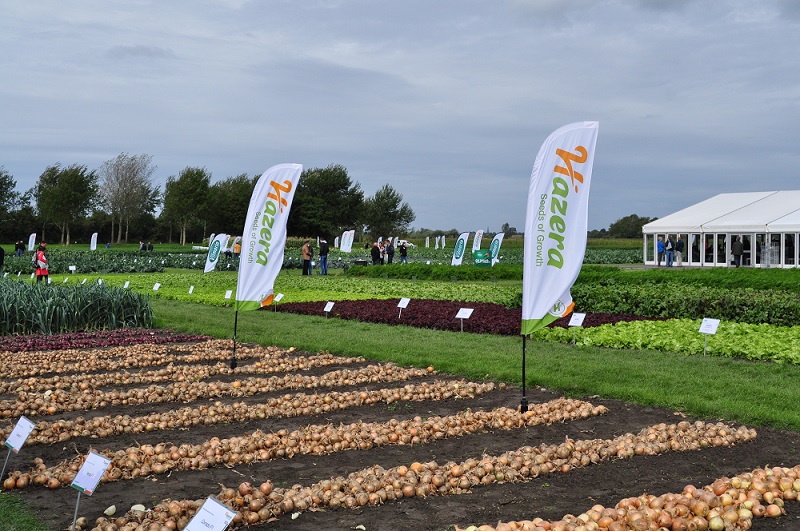

Harvesting Success: Southern Block Farming and Hazera South Africa Growing Together

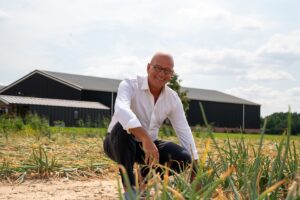
Established in 2019, Southern Block Farming is nestled in the hot and humid sub-tropical climate of KwaZulu-Natal, South Africa on Blair Moore farm. Since its inception, the farm has been committed to cultivating high-quality produce while navigating the unique challenges presented by its environment. Central to this success story has been the strong partnership between Southern Block Farming and Hazera South Africa. Hazera, inspired by nature, brought their expertise to Southern Block Farming from the very start.


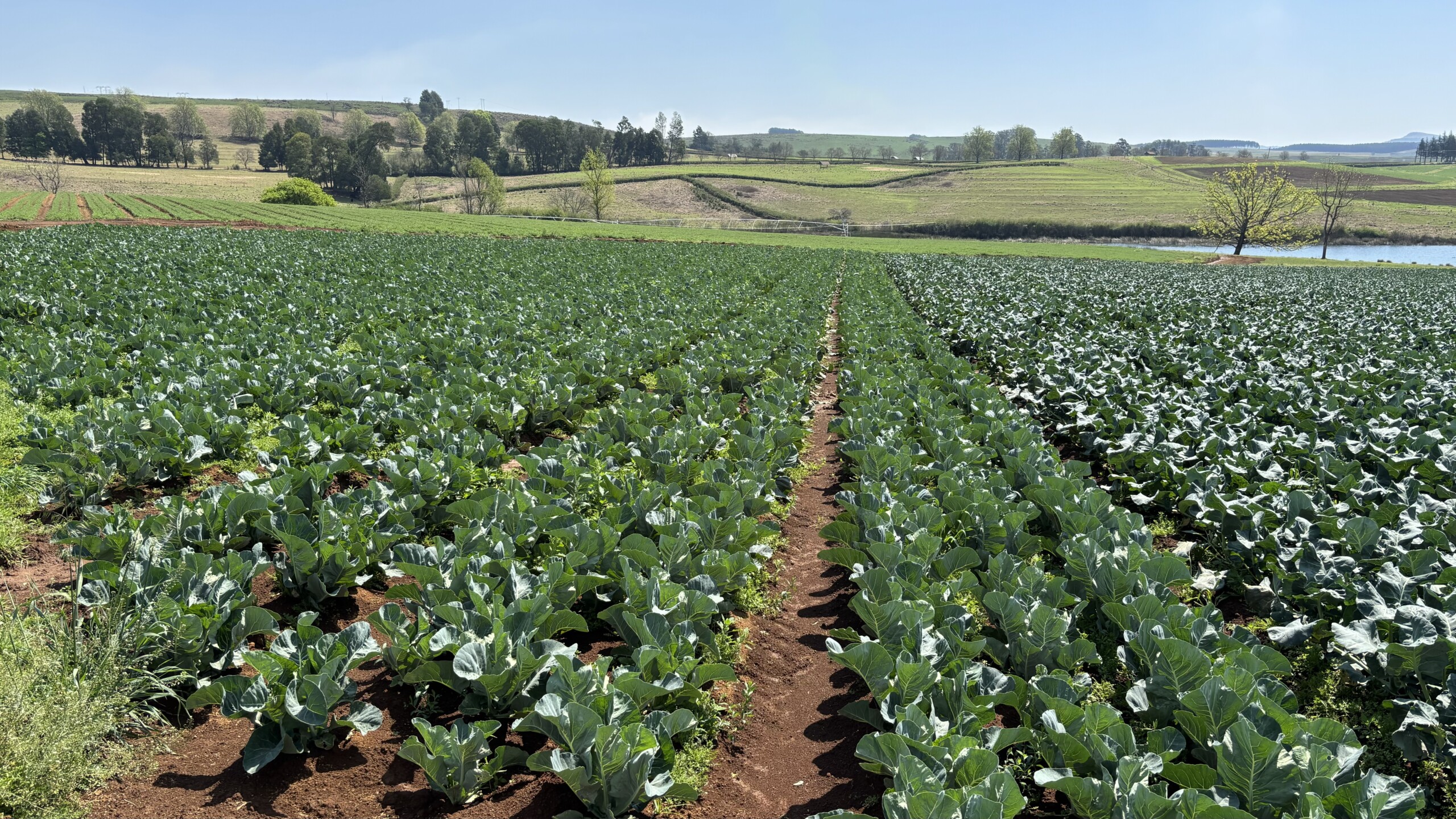
The collaboration began with James Kelly, Blair Moore farm’s founder, adopting Hazera’s Ferrara variety for cauliflower and broccoli. Despite the difficulties of growing brassicas during the summer season, the high cut percentage and excellent quality of Ferrara provided James with the perfect foundation for success. With Hazera’s guidance, even the challenging KwaZulu-Natal conditions became manageable.

By supplying varieties that promote healthy lifestyles and ensuring sustainable agricultural practices, Hazera supports not just farms but the communities they feed. This commitment extends globally, but Hazera’s local team—part of a diverse network spanning over 130 countries—demonstrates a deep understanding of regional challenges, delivering tailored solutions to meet Southern Block Farming’s specific needs.
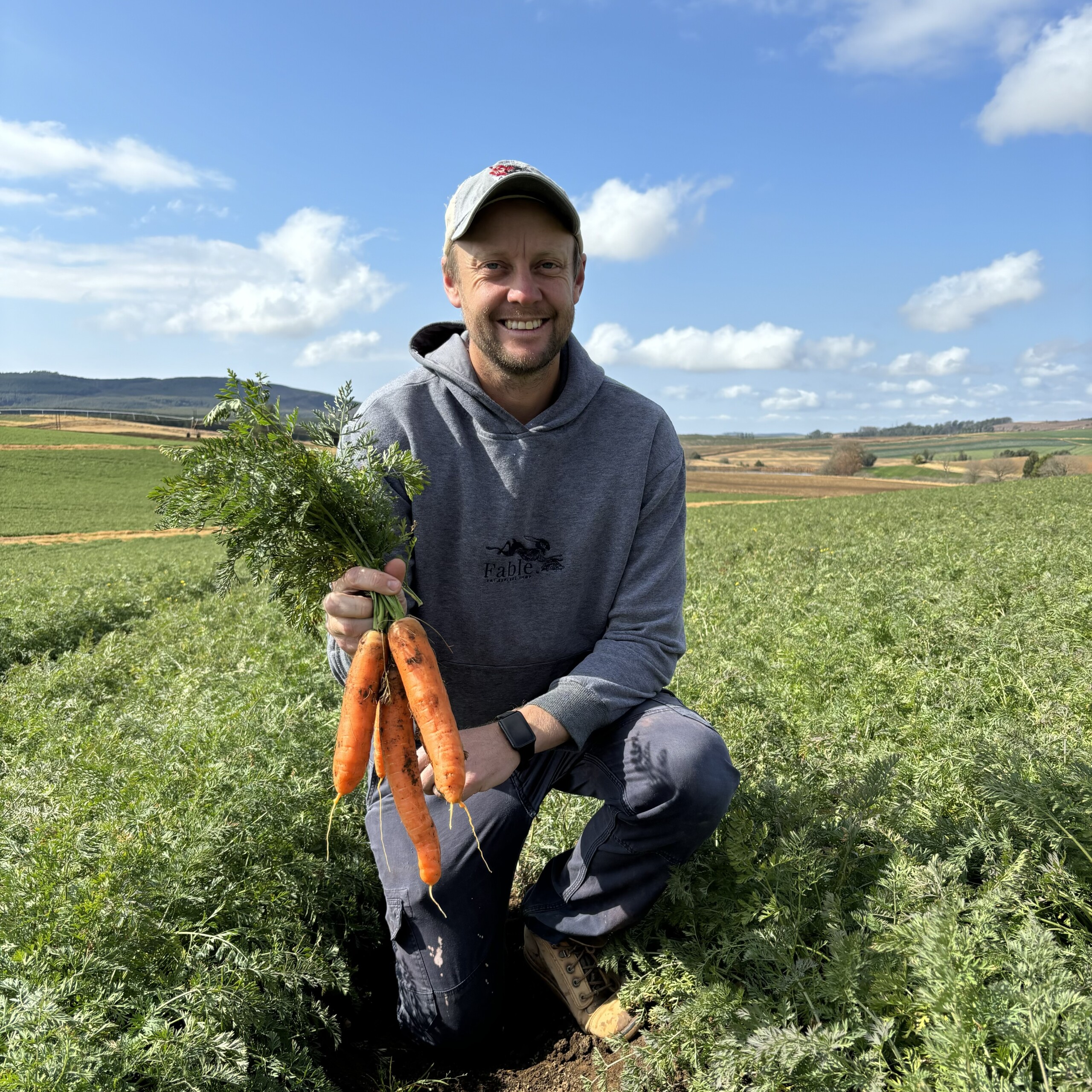
As Southern Block Farming grew, so did their crop diversity. Hazera worked closely with James to phase rotations into his programme, conducting trials on carrots and other crops. These trials exemplified Hazera’s extensive research and their drive to improve yield, quality, and disease resistance. The technical advice provided by Hazera allowed James to identify the best carrot varieties for year-round supply, bolstering his farm’s reputation with buyers.

Events such as Hazera’s Carrot Day further strengthened this collaboration, introducing James to new industry knowledge and the opportunity to expanding his professional network.
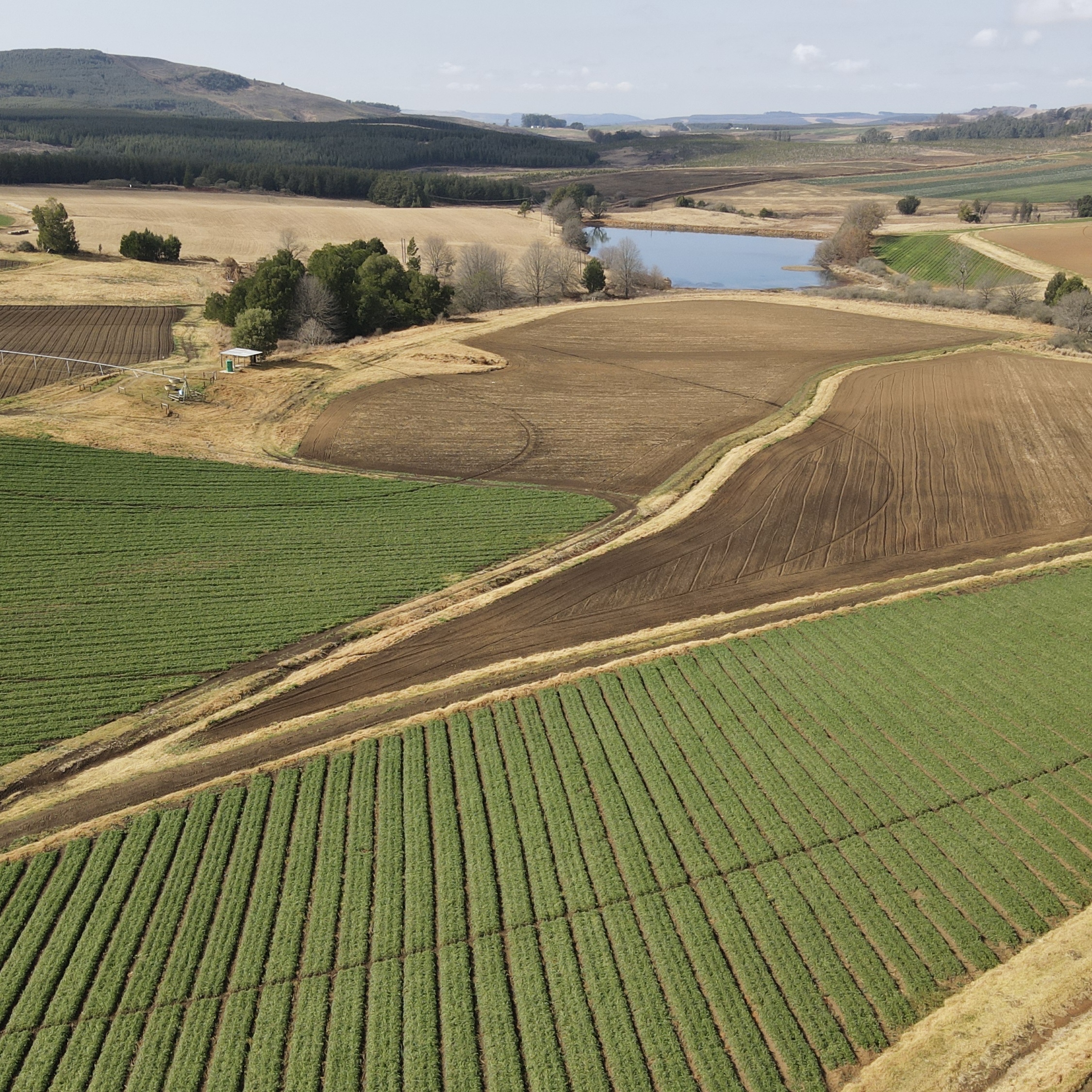
Reflecting on the partnership, James stated that he appreciates the strong relationship built on mutual trust and respect. “Hazera’s team has always been by our side, offering advice and support whenever needed. Their commitment to growing together aligns perfectly with our mission,” James says. This trust epitomises Hazera’s promise, ensuring that farmers like James can fully unlock the potential of their seeds.

Drawing inspiration from our growers’ community spirit, nature, and the drive to succeed together, Hazera continues its efforts to support its loyal customers from seed to harvest.
 

Empowering Ethiopian farmers – a successful collaboration between Hazera, JDC and Greenlife

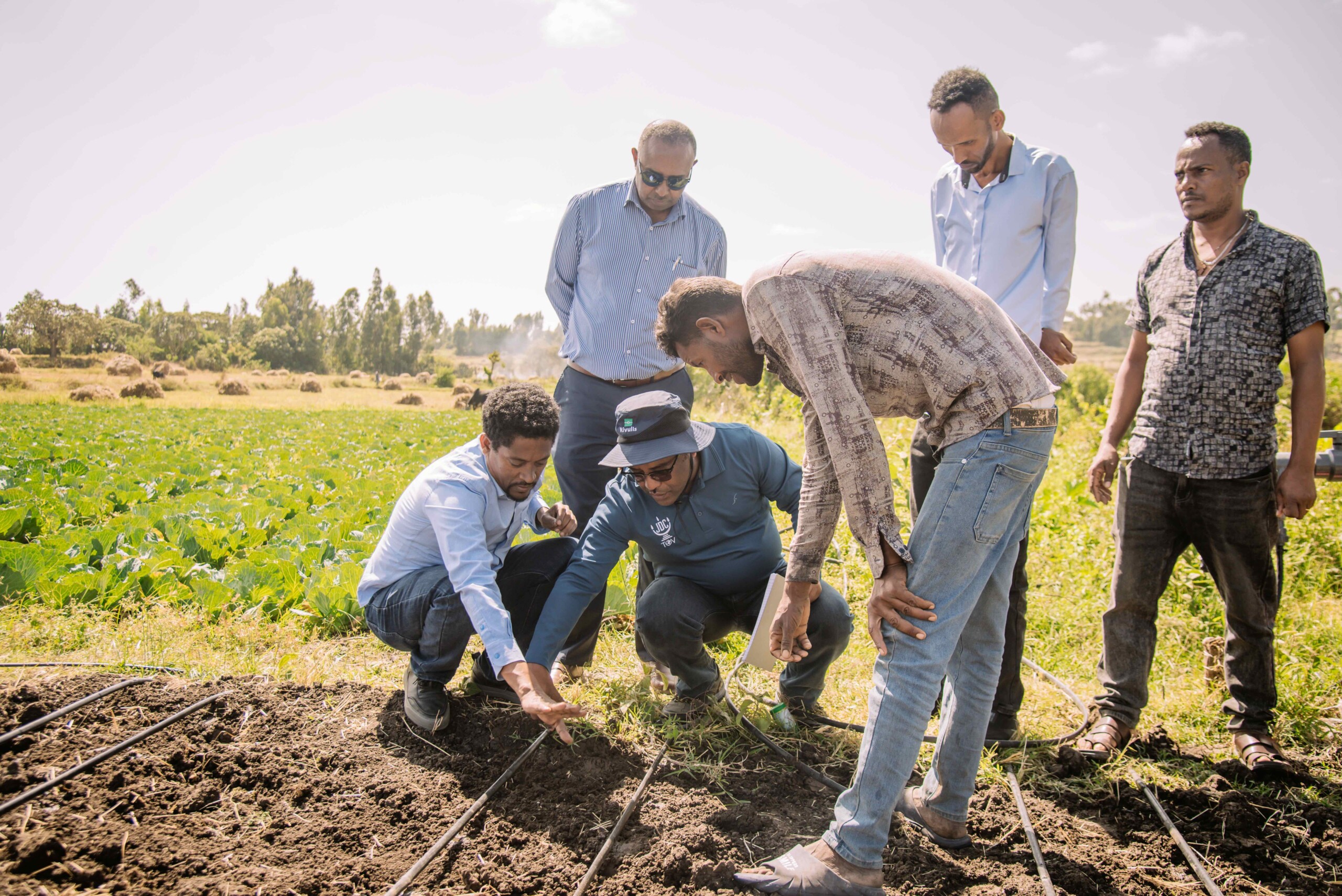
Hazera seeds, together with JDC, the global Jewish humanitarian organization, and its local representative Greenlife, has launched a two-year pilot program in Ethiopia. The project is part of TOV (‘Tikkun Olam Ventures’), JDC’s agricultural development project, that implements innovative agricultural technology (AgTech) to support and advance the businesses of smallholder farmers in developing countries, who currently use traditional farming methods.


Building on JCD’s decades-long and worldwide experience in collaborating with partners and companies such as Hazera, this program has been initiated to aid Ethiopia’s millions of smallholder farmers in increasing their crop yield with the help of AgTech.

Providing the foundation for success

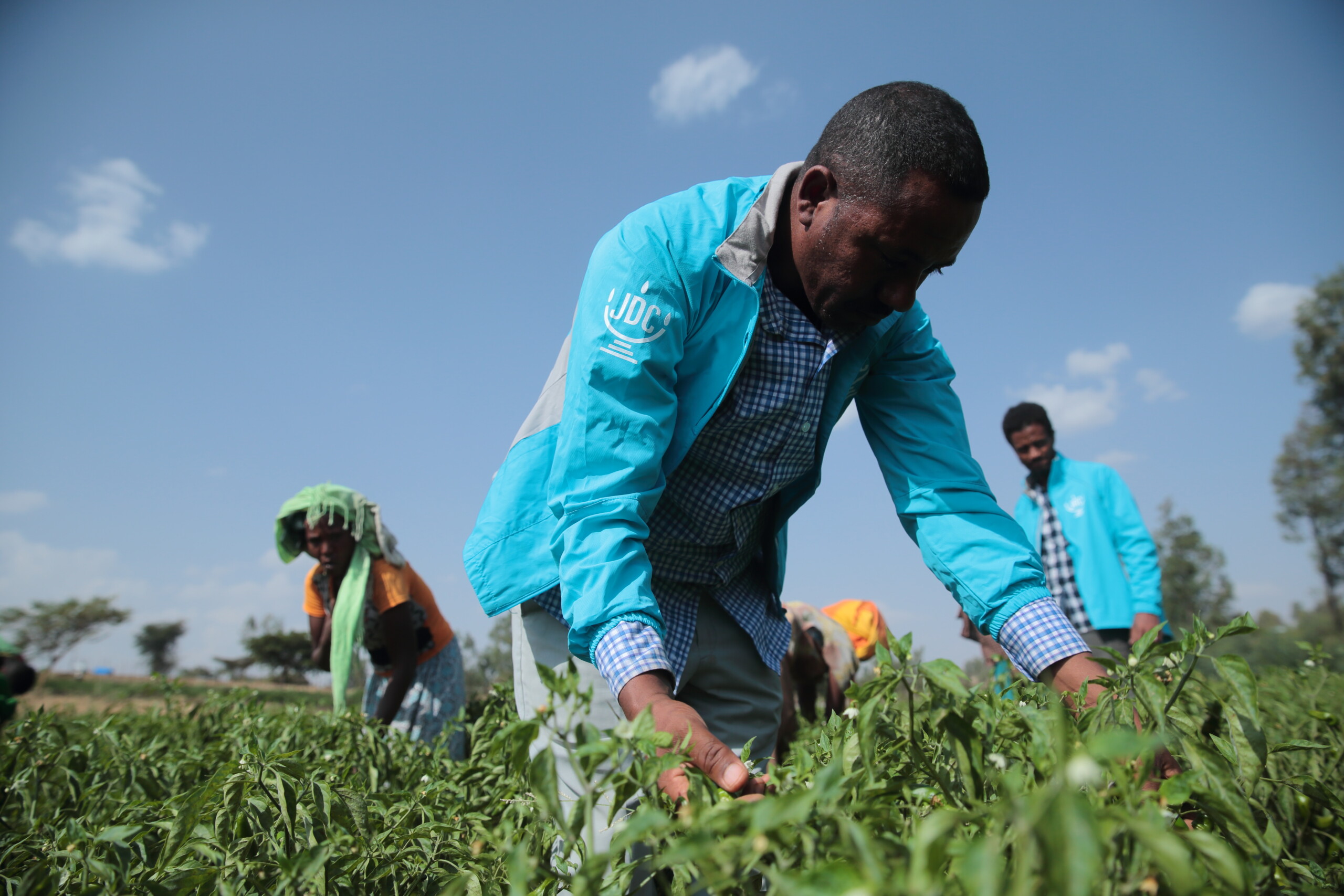
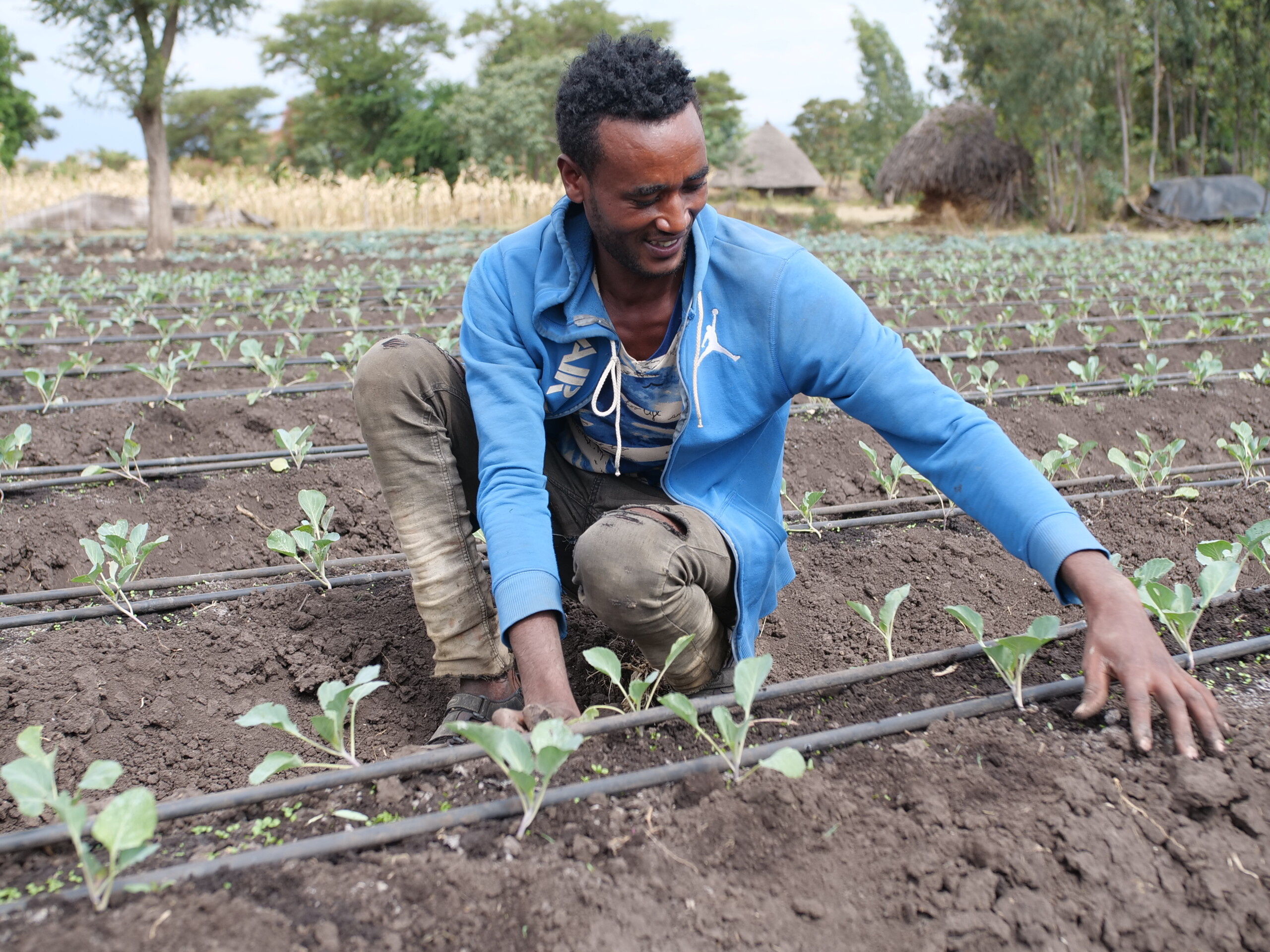
The program started with seven demonstration sites, collaborating with local unions, MOAs and agricultural suppliers. Already in its second year, this collaboration has expanded to dozens of demo sites in targeted areas such as SNNPR, Amhara, and North Shewa to support hundreds of farmers growing tomatoes, onions, and peppers with the use of Israeli drip irrigation and fertilization systems. This technical support leads to enhanced productivity and better lives among the farmers, their families, and wider communities.

Local farmers unions and agribusinesses will also help the farmers get fair prices for their produce in previously untapped markets. TOV successfully managed to create a “Revolving Fund” model, which encourages the unions to adopt directed skillset and gives them the ability to purchase the seeds independently.

Hybrid seeds for a better yield

To achieve success, the JDC and Greenlife teams transfer the cultivational practices and knowledge needed to grow modern hybrid vegetables, with Hazera providing the hybrid seeds suited for the local growing conditions in Ethiopia. The goal of the program is to reach thousands of Ethiopian farmers over the next years.

One of these farmers is Mussa Jemal of Gurage. He shared that “Before partnering with the Greenlife and JDC, I planted local OPV vegetable crops, but since joining the project, I have access to Hazera’s hybrid vegetable seeds and seedlings, including Tomato Galilea, Hot Pepper Serenade Explorer and Onion Russet.”

“On top of these hybrid resources, the project also offers regular technical advice and extension services,” Jemal continued, “I’ve gained knowledge and skills to produce better quality yields by following the recommended agronomic practices and production protocols.”

Jemal proudly noted that based on the crop’s performance in the field, he anticipates a better yield this season.

The power of knowledge

Farmer Awgechew Betere, from Menjar Shenkora of Amhara, describes the importance of the knowledge transfer of the program and how it has helped his business.

“I’m getting regular technical support and extension advice on improving agronomic practices,” he said. “This includes irrigation, monitoring diseases and pests, fertigation, the application of pesticides and staking methods.”

Betere added that “all of this has improved my knowledge and skills in vegetable production. Thanks to the program, I’m sure I will get a better yield and income from the production. Furthermore, many of my neighbors have visited my farm and were motivated to produce hybrid vegetable crops as well next season!”

A fruitful collaboration

“As a leading seeds company in Africa and particularly in Ethiopia, we harness our strength and product portfolio for the good of this enterprise,” said Haggai Breslauer, the Sales Manager for Africa at Hazera. “Supported by our vast experience, we strongly believe that the combination of our added value of higher quality yield and the ability to compete with the challenging growing conditions brings significant advantages to the growers and their communities. This collaboration bears fruits of success, and we are proud to be part of this project!”

Meet the people behind the crops: Netta Doitch

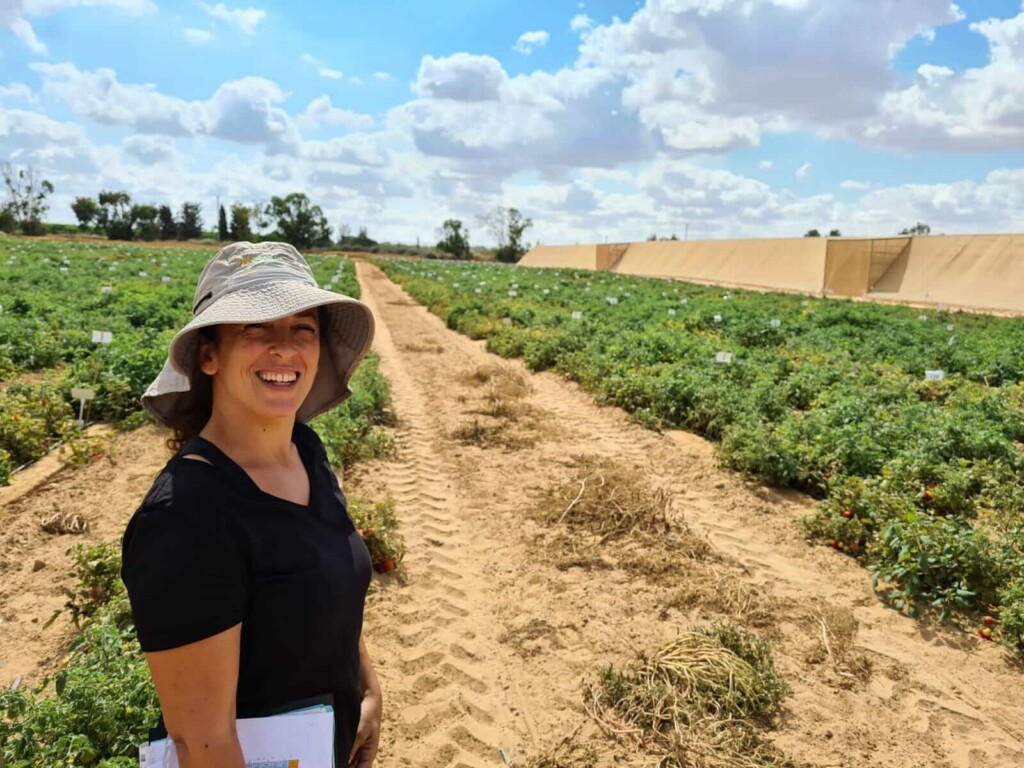
In Hazera, we tend to put the spotlight on our successful products, yet their success starts with the People of Hazera: the truly committed and passionate experts who make it all happen on a daily basis. Meet Netta Doitch (43), our Global Lead Tomato Breeding from Mefalsim, a small Kibbutz in the southern part of Israel. It seems as though it was meant to be- the daughter of a flower and strawberry farmer, Netta (meaning “a young plant” in Hebrew), was destined for a life in agriculture.


Netta in person

Figure 1- Netta Doitch, Global Lead Tomato Breeding Hazera

When she was young, she gladly helped her dad around the farm and without knowing it performed “cuttings” from a very young age, removing a small part of the plant’s stem, and replanting it together with a “rooting hormone”, to receive a genetically identical plant. “I always enjoyed agronomy and loved visiting agricultural events. When I was in high school, I recall reading in the newspaper about a successful “breeding” of red and blue bananas and decided, even though I did not know what “breeding” was, that this is what I wanted to do for a living. Netta went on to get her Bachelor of Science in Agriculture with specialization in Genetic Breeding and Biotechnology and later fulfilled her dream to become a breeder, doing so with a true feeling of love and chosen destiny.

Netta has been with Hazera since 2009, when she started out as Tomato Breeder Assistant. Two years later she became an Associate breeder and led the determinate heat set tomatoes and indeterminate round open field tomato projects. Approximately 12 years later, she is now, the Global Lead Tomato Breeding; and amongst her many projects she also leads the breeding projects of the Indeterminate Round Open Field (IROF) tomatoes.

“What is a common myth or preconception about your job or field of expertise?”

“It seems as though everybody believes that breeding ruins the taste in vegetables”. Nowadays she just explains to whoever asks that she works in Tomato Genetics without transgenic interference.

simply working in tomato genetics

Figure 2- Simply working in “Tomato Genetics”

“In your opinion, what is the most important personality trait/strength someone would need to work in your industry/be successful in your job?”

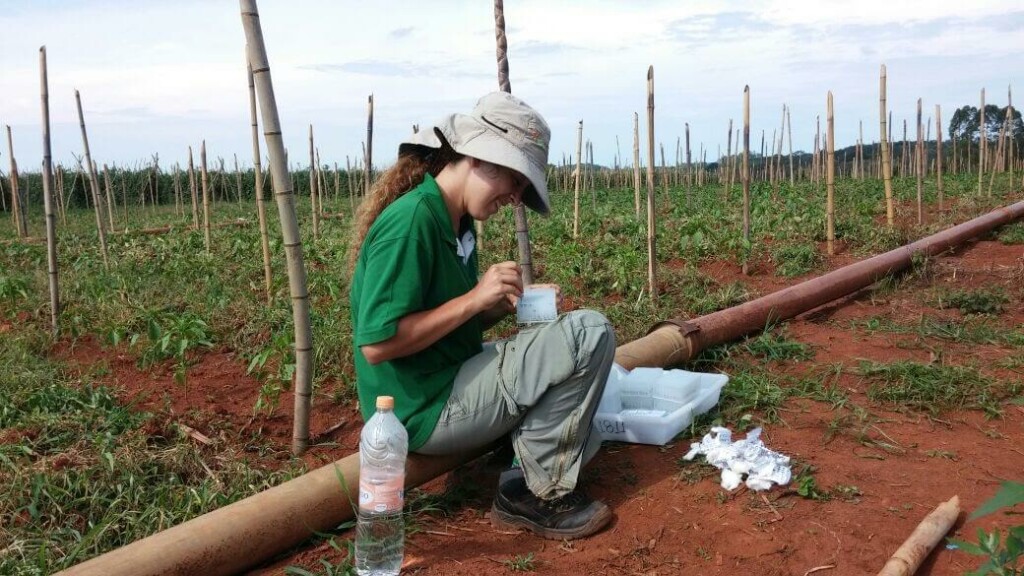
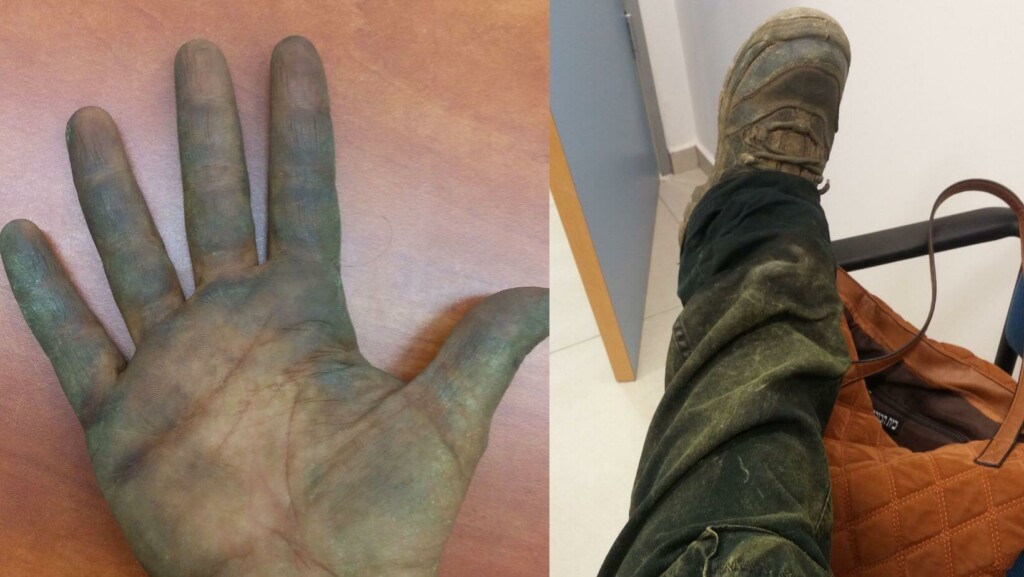
According to Netta, being a good breeder requires super focus on the goal, you have to ‘breathe’ breeding every day, the plant dictates your work and not vice versa. Netta also highlights the constant change of environments in a breeder’s life: “You can say that I wear two hats: “In winter, you can find me all neat and dressed up in office clothing, whereas in summer you could hardly recognize me, as I’m all covered in plant parts, soil, and remains of tomatoes.” In other words, you have to be highly adaptable and “passionate” about your field of work.

a day in the life of a breeder

Figure 3- A day in the life of a breeder

“Tell us about a project you’re really proud of and why”

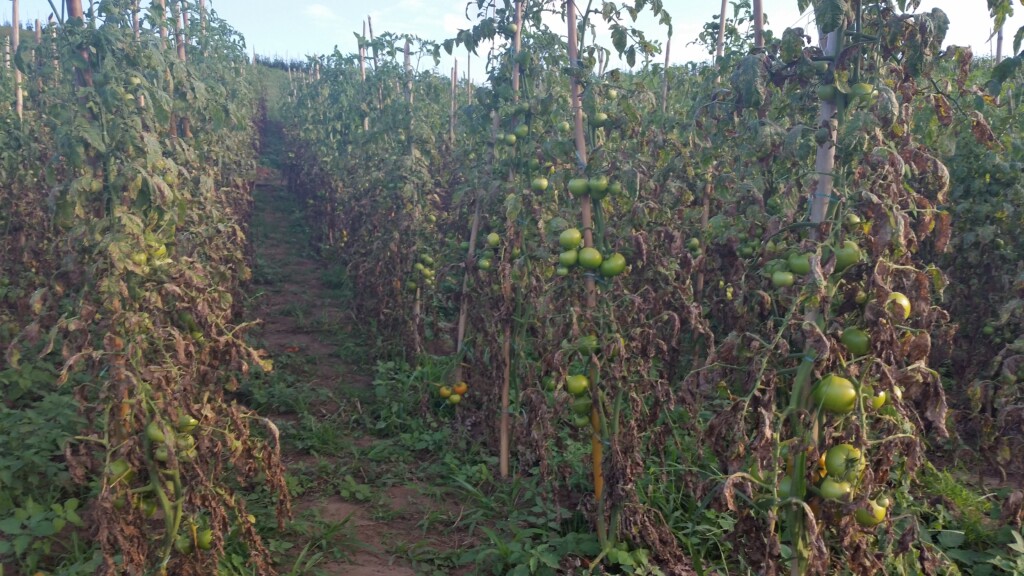
“I’m really proud of our Giga tomato, part of the IROF project in Brazil. When examining where we started and where we are at today, it is truly amazing!”. In the beginning of the project, we started out with zero resistance but very strong and vegetative plant genetics. The genetic change and adding the required disease we achieved was truly significant. The variety Giga in Brazil has excellent firmness, size, and unique array of resistances.

Burned field of tomatoes

Figure 4- Project start: totally burned plants in Brazil

We went from totally “burned” plants, changed the selection method and started doing selections in the region, which was a major change in the way we work.

green field

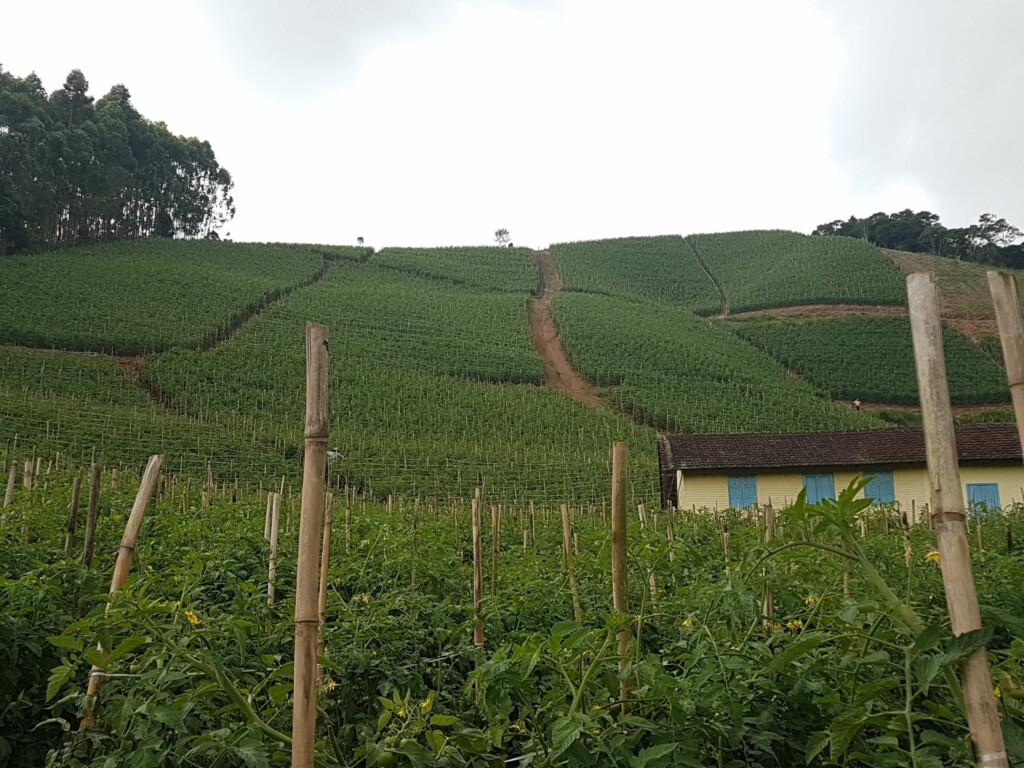
Figure 5- One of many hybrid evaluation field trials. Brazil 2012

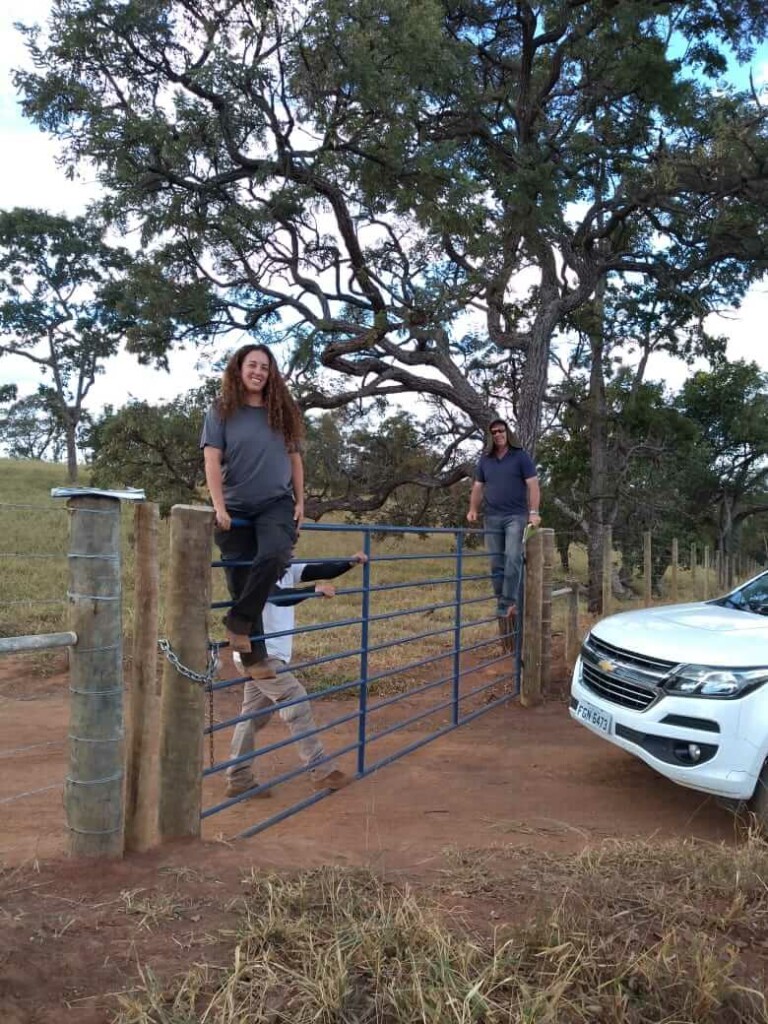
For more than ten years, together with Arno Van Staden, Tomato Regional Product manager in Marketing, we studied the Brazilian market and trends ,we built a breeding platform in Brazil from scratch which gave us the boost for high level of Xct-resistant plant without compromising all other quality traits.

climbing-each-and-every-obstacle-togehter

Figure 6- Climbing each and every obstacle together. With Arno Van Staden

This success story of Giga is a remarkable example of great cooperation between R&D and Marketing”, Netta goes on to say: “We walked it hand in hand, with top synchronization that greatly contributed to the success of the project”. On top of everything, we have succeeded in creating excellent genetic material for other markets as well.

IROF

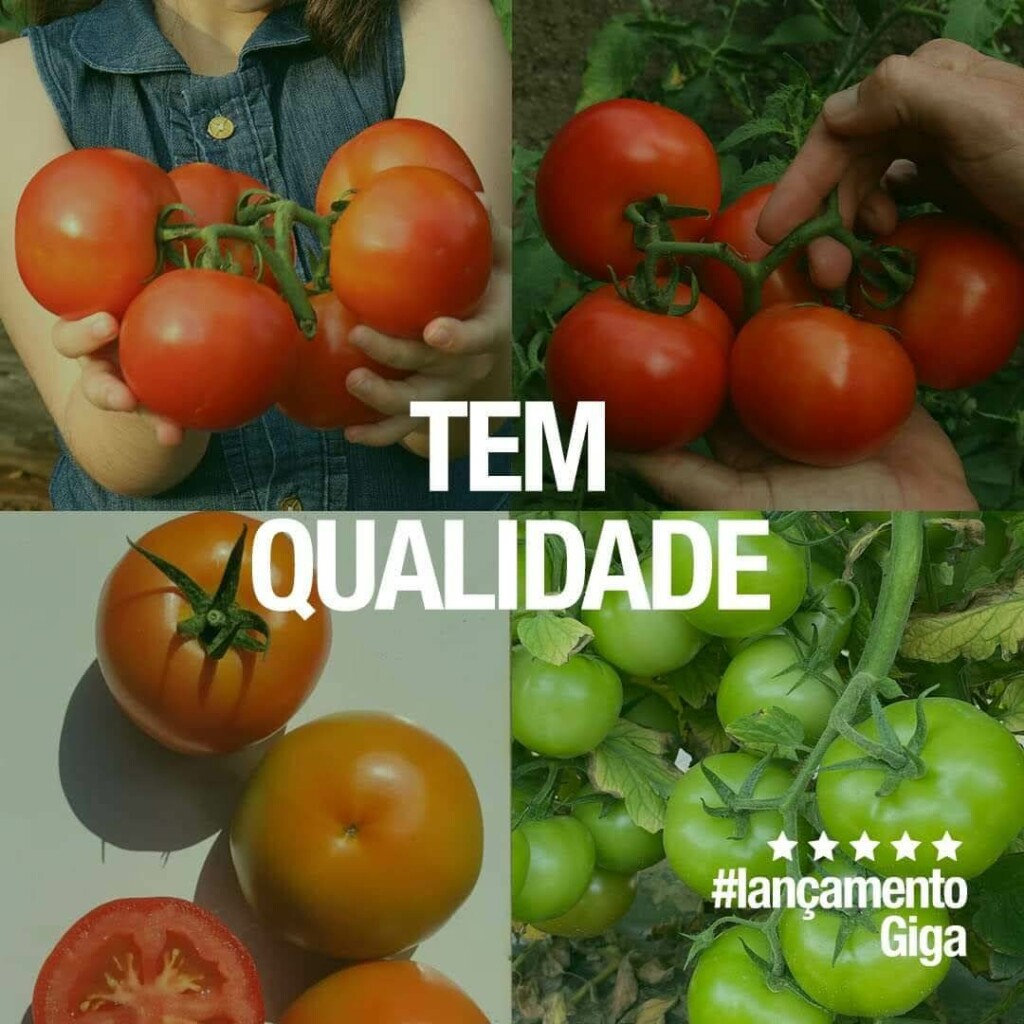
Figure 7- GIGA variety “Has Quality” launch 2022

“Tell us something about you that most people don’t know”

I like to cook but I don’t like fresh tomatoes- I prefer cucumbers. Also, I recently got my kibbutz’s “annual entrepreneur for the community” award for the farm work I do at my home village/

netta with the kids

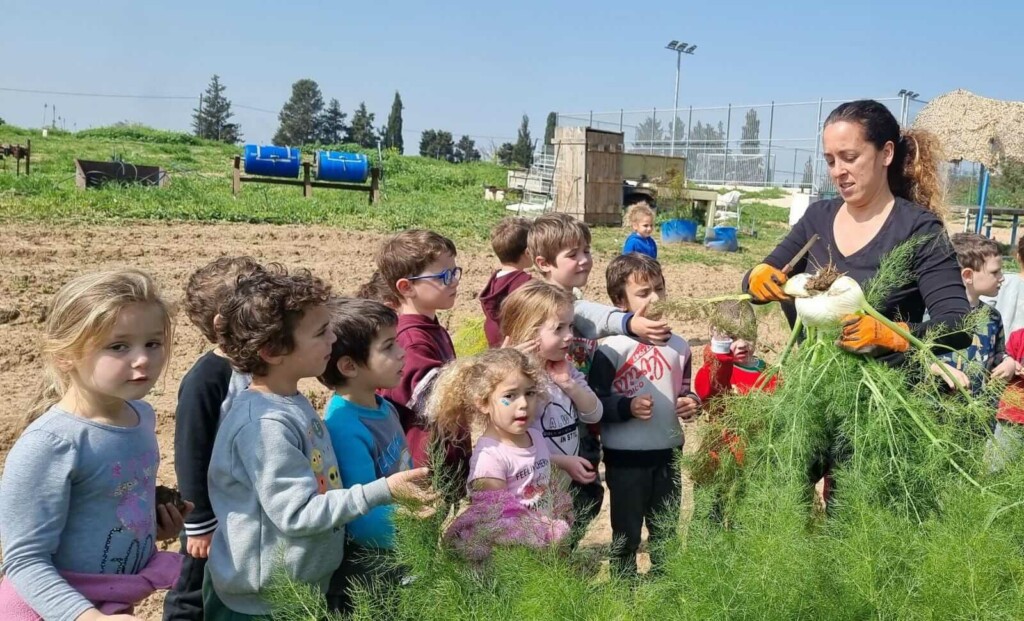
Figure 8- Volunteer work farming for her community with the next generation

This short glimpse into Netta’s life and daily work truly showcase that breeding does run in one’s DNA.

Want to know more about our people?

Follow us on our social media channels to stay connected with our Hazera people! If you have any questions left, don’t hesitate to ask them via our contact page!